How to Wet Felt: Tips, Techniques and Common Issues
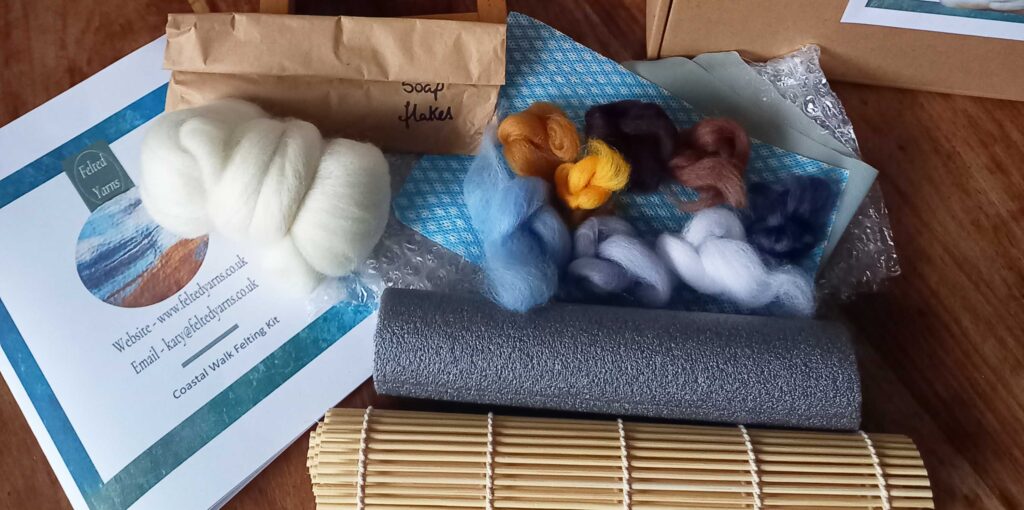
If you’ve read up on the basic process of wet felting, you’ll know it’s all about using warm water, soap, and agitation to transform loose wool fibres into strong, durable felt. But understanding the steps is only part of the journey. To really master felt making, it helps to focus on technique and learn how to avoid common problems.
Here, we’ll explore how to wet felt successfully, share essential tips, and troubleshoot the issues most beginners run into.
Mastering the Basics of Technique
When you’re learning how to wet felt, the way you handle the fibres makes a huge difference. Here are some simple but important techniques to keep in mind:
Thin, even layers – Start with fine layers of wool roving or wool tops. Thick clumps are harder to felt evenly and can leave holes.
Gentle beginnings – In the early stages, be patient. Press and rub lightly to encourage the fibres to settle without shifting out of place.
Gradual pressure – Once the fibres start to bond, you can increase friction by rolling the wool in a bamboo mat or bubble wrap. Consistent movement is key.
Shrinkage control – Felting always causes shrinkage. Factor this in when planning your project and check frequently to avoid over-shrinking.
These techniques may sound simple, but practising them makes all the difference between a lumpy result and a smooth, professional-looking piece of felt.
Common Wet Felting Problems (and How to Fix Them)
Even experienced crafters encounter issues when learning new felting techniques. Here are some of the most common problems – and how to solve them.
- Uneven Thickness
This usually happens if the wool wasn’t laid out in even layers. To avoid it, pull your wool roving into light, airy tufts rather than heavy chunks. If a piece turns out uneven, keep working on the thinner areas with extra wool fibres and re-felt them.
- Loose or Weak Felt
If your felt feels flimsy, it may not have been agitated long enough. Increase rolling and rubbing, and use cooler water towards the end to help “shock” the fibres into locking together.
- Holes Appearing in the Felt
Holes are a sign that the fibres weren’t overlapping enough in the layout stage. To fix them, add a small patch of wool and re-felt until it blends into the rest of the fabric.
- Colours Bleeding or Blending Too Much
While blending is part of the charm of decorative felting, sometimes colours merge more than you’d like. Try using firmer layers of contrasting colours, and handle gently at the start to keep designs sharp.
- Felt Shrinking Too Much
Shrinkage is natural, but overdoing it can ruin the size of your project. Always start larger than the finished size you want, and check the piece regularly as you work.
Extra Tips for Successful Wet Felting
Use warm water, not hot – Too much heat can make fibres felt too quickly and unevenly.
Experiment with textures – Add silk fibres, yarn, or fabric scraps for unique surface designs.
Test small samples – Before committing to a big project, practise your technique with a small piece of felt.
Be patient – Rushing usually leads to weak or patchy results. Slow, steady movements create stronger felt.
Final Thoughts
Learning how to wet felt is less about memorising the process and more about developing good technique. By paying attention to fibre layout, pressure, and patience, you’ll avoid common mistakes and enjoy more consistent results.
Like all traditional felt crafts, wet felting takes practice – but that’s part of the fun. Each project teaches you something new, whether it’s controlling shrinkage, blending colours, or repairing mistakes. Stick with it, and you’ll soon feel confident exploring everything from simple coasters to more advanced felt art.