Wet Felting for Beginners: A Simple Guide to Getting Started
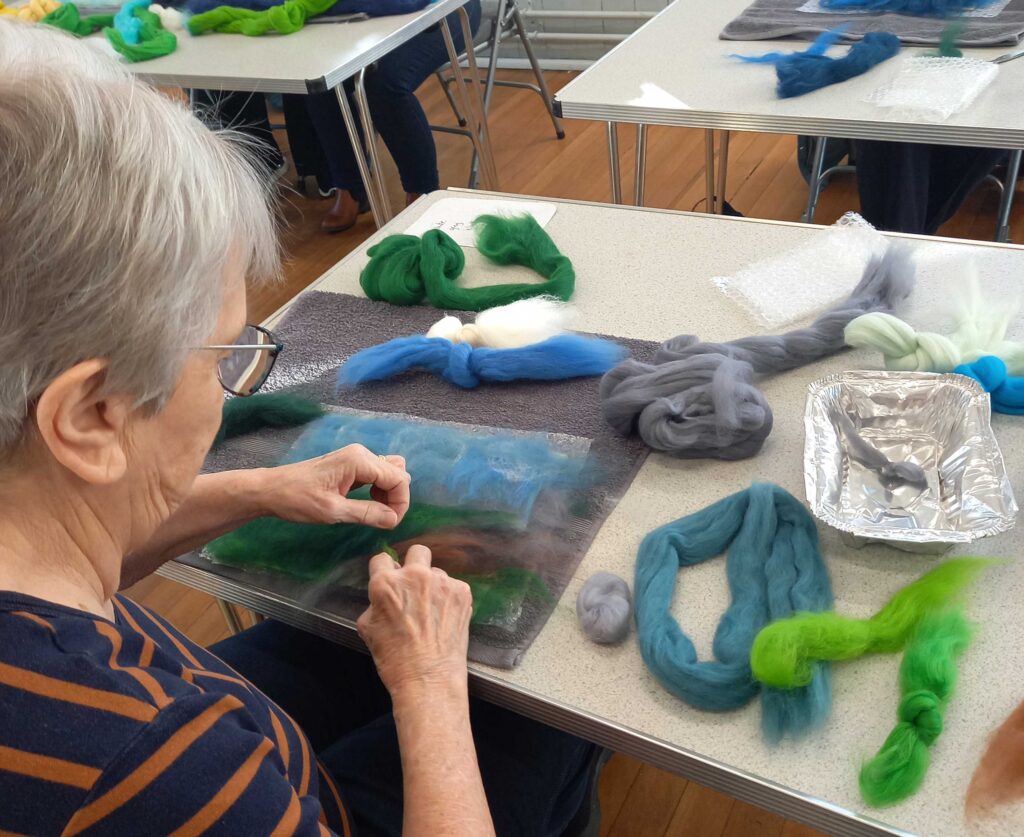
Wet felting is one of the oldest and most satisfying textile techniques, dating back thousands of years. With just a few basic tools, some wool fibres, and a bit of warm soapy water, you can transform loose fibres into strong, beautiful fabric. For beginners, it’s a wonderfully tactile craft that encourages creativity while also being surprisingly therapeutic.
If you’ve ever wanted to try your hand at wet felting, this beginner’s guide will walk you through the basics, essential materials, and some simple felt craft ideas to get you started.
What Is Wet Felting?
Wet felting is the process of bonding and shrinking wool fibres together using warm water, soap, and agitation. When wool fibres are exposed to heat and moisture, their microscopic scales open up. With rubbing and rolling, these fibres tangle and lock together to form a dense fabric known as felt. Unlike needle felting, which uses barbed needles, wet felting relies on movement and pressure.
This traditional felting technique can be used to make flat felt sheets, three-dimensional vessels, bags, slippers, or decorative items. It’s versatile, beginner-friendly, and requires minimal equipment.
Materials You’ll Need
One of the joys of learning how to felt wool is that you don’t need to invest in expensive tools. Here’s what beginners should gather:
- Wool roving or wool tops – Merino is popular for beginners as it felts quickly and comes in a wide range of colours.
- Warm water – Ideally just above hand temperature.
- Soap – Olive oil soap or washing-up liquid works well.
- Bubble wrap or bamboo mat – To help with rolling and agitation.
- Towel – For absorbing excess water.
- Plastic sheet – To protect your work surface.
- Optional extras include resist materials (such as plastic templates) for creating hollow forms and embellishments like silk fibres, yarns, or fabric scraps for decorative felt making.
Basic Wet Felting Technique
Follow these simple steps to try your first wet felting project:
Prepare your workspace – Lay down a towel and plastic sheet to keep things tidy.
Arrange the wool – Pull tufts of wool roving and lay them in overlapping layers, alternating the direction of fibres.
Add warm soapy water – Sprinkle or spray the wool until damp but not swimming.
Press and rub gently – Use your hands or a piece of bubble wrap to press fibres together. Start lightly to avoid displacing them.
Increase friction – Once the fibres begin bonding, roll the wool inside bubble wrap or a bamboo mat. Keep rolling, pressing, and re-wetting as needed.
Rinse and finish – When the felt feels firm, rinse with cold water to close the fibres. Shape or stretch as desired, then leave to dry naturally.
This simple process can be adapted for both flat felt making and creating 3D objects like bowls or pouches.
Beginner-Friendly Project Ideas
If you’re new to wet felting, it’s best to start with small, manageable projects before tackling larger pieces. Here are a few ideas:
- Felt coasters – Flat and simple, great for practising even felting.
- Soap in a felted coat – Creates a natural exfoliating soap bar.
- Small bowls or vessels – Use a resist to form hollow shapes.
- Felt beads – Perfect for jewellery making or embellishments.
These projects allow you to explore different colours, layering techniques, and decorative felting without feeling overwhelmed.
Tips for Success
Start with thinner layers of wool rather than thick lumps; they felt more evenly.
Don’t rush the early stages – gentle handling helps the fibres settle.
Use cooler water towards the end to shrink and harden the felt.
Experiment with textures and colours to make your felt craft projects unique.
Why Try Wet Felting?
Wet felting for beginners is a brilliant entry into the world of fibre crafts. It’s accessible, affordable, and creative. Whether you’re making a simple coaster or experimenting with wearable felt art, the process is both grounding and rewarding. Plus, felt is durable, eco-friendly, and endlessly customisable.
So, roll up your sleeves, grab some wool and soap, and give wet felting a go – you might just discover your new favourite craft.