What Is Wet Felting? A Look at Its History and Development
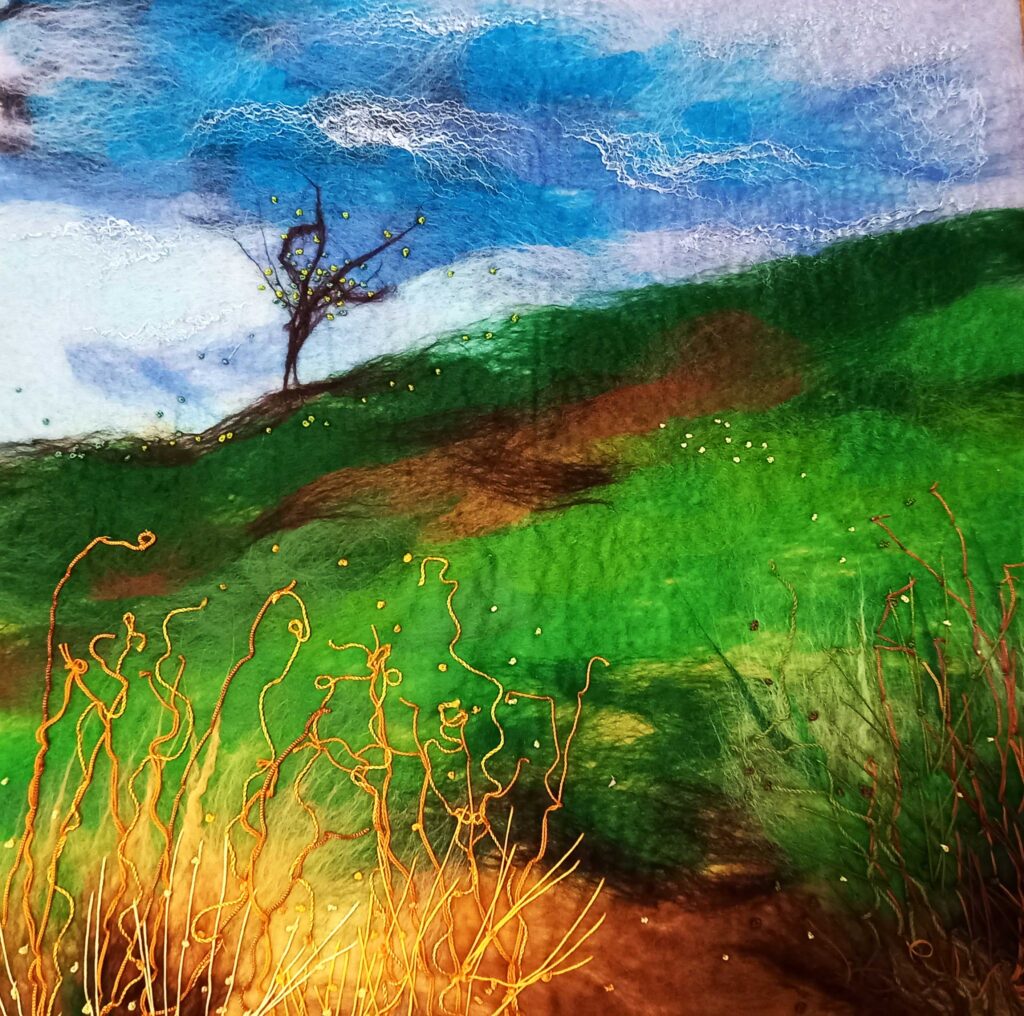
If you’ve ever wondered what is wet felting, you’re not alone. Many people first come across it when they see a colourful piece of felt art or a handmade bowl made from wool fibres.
Wet felting is one of the oldest textile traditions in the world, and while today we think of it as a creative hobby, its history is far more practical and fascinating.
The Origins of Felt Making
Long before knitting or weaving existed, people discovered that wool could be transformed into a dense, durable fabric. This technique became known as felt making. By adding moisture, heat, and pressure, wool fibres tangle and bond together to create felt – one of the earliest man-made textiles.
Archaeological evidence shows that felt was being made over 7,000 years ago in Central Asia. Nomadic peoples, such as the Mongols, relied heavily on felt for survival. It was used to cover yurts, make warm clothing, and even craft protective armour. Unlike woven fabrics, felt could be produced without looms, making it perfect for communities on the move.
The Spread of Wet Felting
As trade routes developed, so did the spread of felting techniques. The Silk Road carried not only goods but also ideas, including textile practices. Wet felting became an essential skill across Asia, the Middle East, and eventually Europe.
In Turkey, for example, felt was valued for its insulating properties and was often used to make rugs, hats, and ceremonial garments. In Scandinavia, thick felt boots were essential for surviving harsh winters. In each culture, wet felting adapted to local needs while keeping its core process the same: using wool, water, and movement to make fabric.
Wet Felting in European History
By the Middle Ages, felt had become a key material in Europe. It was widely used for hats, which were fashionable, practical, and durable. Entire guilds of felt makers sprang up, passing down skills through generations. The famous “felt hatters” of the 17th and 18th centuries contributed to the popularity of felt, though the industrialisation of the craft also introduced hazardous chemicals – giving rise to the phrase “mad as a hatter”.
While other textiles like woven wool and linen eventually dominated clothing, felt remained important in specialist uses, from musical instrument pads to military uniforms.
The Revival of Wet Felting as a Craft
In the 20th and 21st centuries, wet felting experienced a revival as part of the broader interest in traditional crafts and sustainable living. Fibre artists began experimenting with decorative felting, creating colourful wall hangings, abstract felt art, and even wearable designs.
Today, wet felting for beginners is a popular entry point into the world of fibre crafts. Unlike machine-made felt, which is often synthetic, handmade felt connects makers to an ancient tradition while allowing endless creativity. With just wool roving, soap, and water, crafters can explore both practical projects and expressive art.
Why Wet Felting Still Matters
So, what is wet felting in today’s world? For some, it’s about reconnecting with history and heritage. For others, it’s a calming, tactile hobby that offers a break from digital life. It’s also an eco-friendly craft, using natural fibres and minimal equipment.
Whether you’re drawn to felt for its cultural roots or its creative potential, wet felting remains as relevant now as it was thousands of years ago. It has shifted from a survival necessity to a form of artistic expression – but at its heart, the magic is the same: turning loose wool fibres into something strong, beautiful, and enduring.
Final Thoughts
Wet felting is more than just a process – it’s a story that stretches back through human history. From nomadic shelters and protective clothing to vibrant felt crafts and modern felting techniques, it’s a tradition that has evolved while retaining its ancient essence.
Next time you pick up some wool tops or admire a piece of felt art, you’ll know that you’re looking at the result of a craft that has shaped human life for millennia.